
Creating product content takes time.
Whether you’re building Product Sets, category pages, comparison content, or buying resources, every new page represents an investment. The question is whether that investment continues paying off months or even years later.
Some product content generates a short burst of traffic before fading away. Other pages continue attracting visitors, supporting product discovery, and creating value long after they’re published.
The difference often comes from how the content is approached from the start.
Think Beyond What’s Popular Right Now
It can be tempting to build content around whatever is generating the most attention at the moment.
While trend-driven content certainly has its place, long term value is usually created by focusing on topics that remain useful regardless of what products happen to be popular.
For example, a page built around “Best Home Office Setups” may stay relevant through multiple product cycles. The products can change, but the reason people visit the page remains largely the same.
The strongest content often centers on enduring interests rather than temporary spikes in demand.
Good Product Content Gets Better Over Time
Many types of content lose value as they age.
Product content can work differently.
As product catalogs grow, merchant relationships expand, and product coverage improves, existing pages often have opportunities to become more useful than they were when first published.
A well-built page can continue evolving instead of being replaced.
New products can be added. Comparisons can become more comprehensive. Discovery experiences can become richer.
Rather than starting over, the content becomes stronger through refinement.
Focus on Building Resources, Not Just Pages
The most valuable product content often serves as a resource that visitors return to repeatedly.
These are pages that help shoppers:
- Explore a category
- Understand available options
- Compare products
- Discover related products
- Learn about a topic
Instead of answering a single question, they support an ongoing process of exploration and decision making.
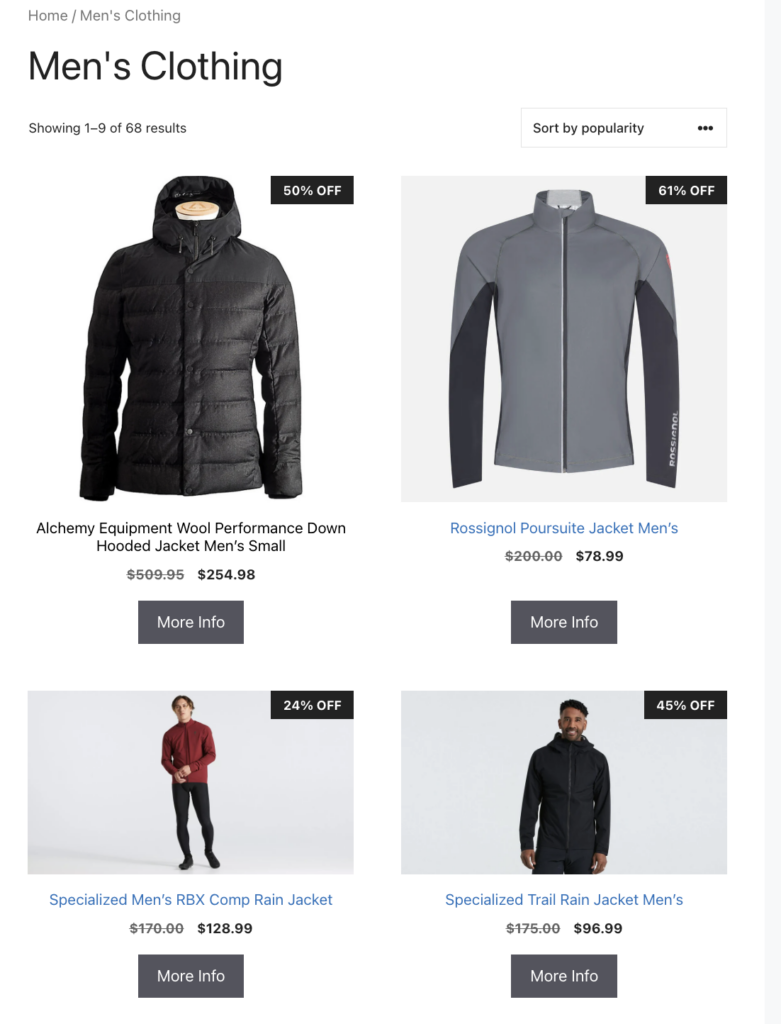
That broader purpose tends to create longer lasting value.
Strong Structure Extends Content Lifespan
Content that is built around a specific product can become outdated quickly.
Content built around a category, use case, activity, or shopper need is usually more adaptable.
For example:
A page about one specific camping stove may have a limited lifespan.
A page about building a camping cooking setup can continue growing as new products enter the category.
The structure creates room for change without reducing the usefulness of the content itself.
Every Piece of Content Creates New Opportunities
One of the overlooked benefits of product content is that it often leads to additional content opportunities.
A category page can inspire comparison content.
A comparison page can reveal complementary products.
A Product Set can uncover gaps worth exploring further.
Over time, individual pieces of content can become part of a larger network that supports discovery across multiple categories and shopping journeys.
The value comes not only from the page itself, but from everything it makes possible.
Long Term Value Comes From Remaining Useful
The most successful product content is rarely the most complicated.
It simply continues helping people.
As products change, categories expand, and shopping behaviors evolve, useful content adapts alongside them. It remains relevant because it focuses on helping visitors navigate choices rather than promoting a moment in time.
That ability to stay useful is what gives product content lasting value.
For more information, check out https://datafeedrapi.helpscoutdocs.com/.