
Imagine you’re shopping for a new espresso machine.
You click on a page expecting to compare a few options. Instead, you find yourself discovering coffee grinders, milk frothers, reusable filters, and storage solutions you hadn’t planned to buy but now realize would complete the setup.
That’s not an accident.
The best product pages don’t simply answer one question. They encourage visitors to keep exploring because every product naturally leads to another idea, another category, or another possibility.
Great Product Pages Create Momentum
Exploration happens when each step naturally leads to the next.
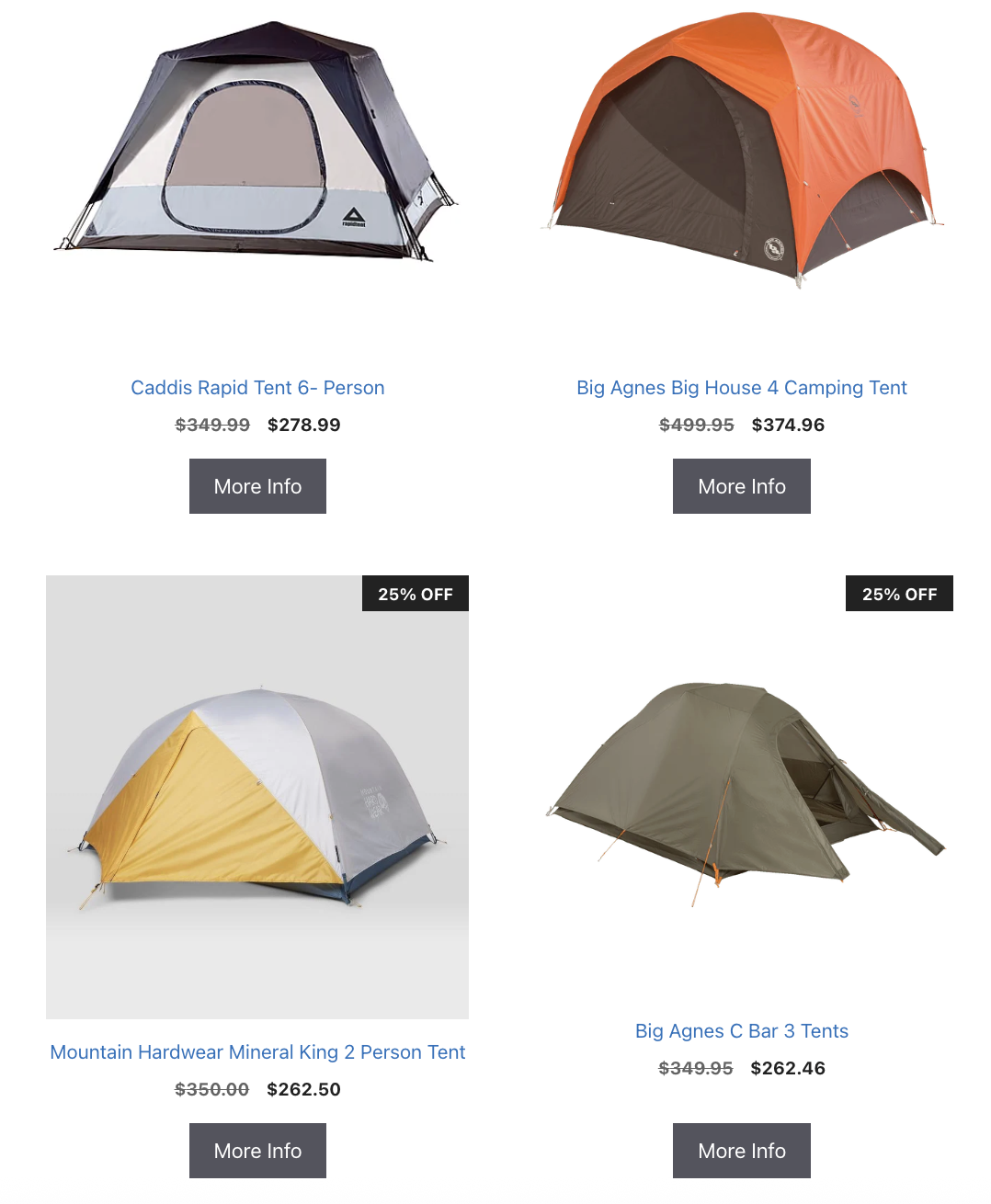
A visitor looking at hiking tents might become interested in sleeping bags, trekking poles, or waterproof jackets. Someone researching a standing desk may start comparing monitor arms or ergonomic chairs.
These aren’t distractions. They’re part of the same shopping journey.
When products are connected in meaningful ways, visitors spend less time wondering where to go next.
Curiosity Is Valuable
Not every shopper arrives with a complete shopping list.
Sometimes people know the problem they’re trying to solve but haven’t considered every product that could help.
A page that introduces complementary products, alternative solutions, or related categories gives shoppers more confidence that they’re seeing the full picture.
That often creates a more satisfying experience than presenting a single list of products and stopping there.
Think in Journeys, Not Destinations
One page doesn’t have to do everything.
Instead, think about where a visitor might naturally go after they’ve explored the current category.
Could they compare products?
Would another category help complete their purchase?
Are there accessories that improve the experience?
Good product pages answer today’s question while making tomorrow’s question easy to discover.
Every Click Should Feel Useful
Visitors should never feel like they’re wandering.
Whether they’re using filters, browsing related products, or moving between categories, every interaction should help them narrow choices, uncover new options, or better understand what’s available.
Exploration works best when it feels intentional rather than endless.
Make Categories Feel Connected
One of the easiest ways to improve exploration is to stop thinking of categories as separate destinations.
Many categories naturally support one another.
Outdoor cooking connects to camping.
Home office connects to productivity accessories.
Photography connects to lighting, storage, and editing equipment.
When those relationships are reflected in your product content, the shopping experience becomes more complete.
Instead of simply helping visitors find products, you’re helping them discover possibilities.
To learn more, check out documentation here.