
When people think about the shopping experience, they usually focus on what they can see: the page layout, product images, pricing, or descriptions.
What they don’t see is the product data making those experiences possible.
Every search result, filter, comparison, recommendation, and Product Set is influenced by the quality and structure of the data behind it. Strong product data doesn’t just organize a catalog. It shapes how shoppers discover products, evaluate their options, and ultimately make purchasing decisions.
Discovery Starts Long Before a Visitor Clicks
The shopping experience begins before someone lands on a product page.
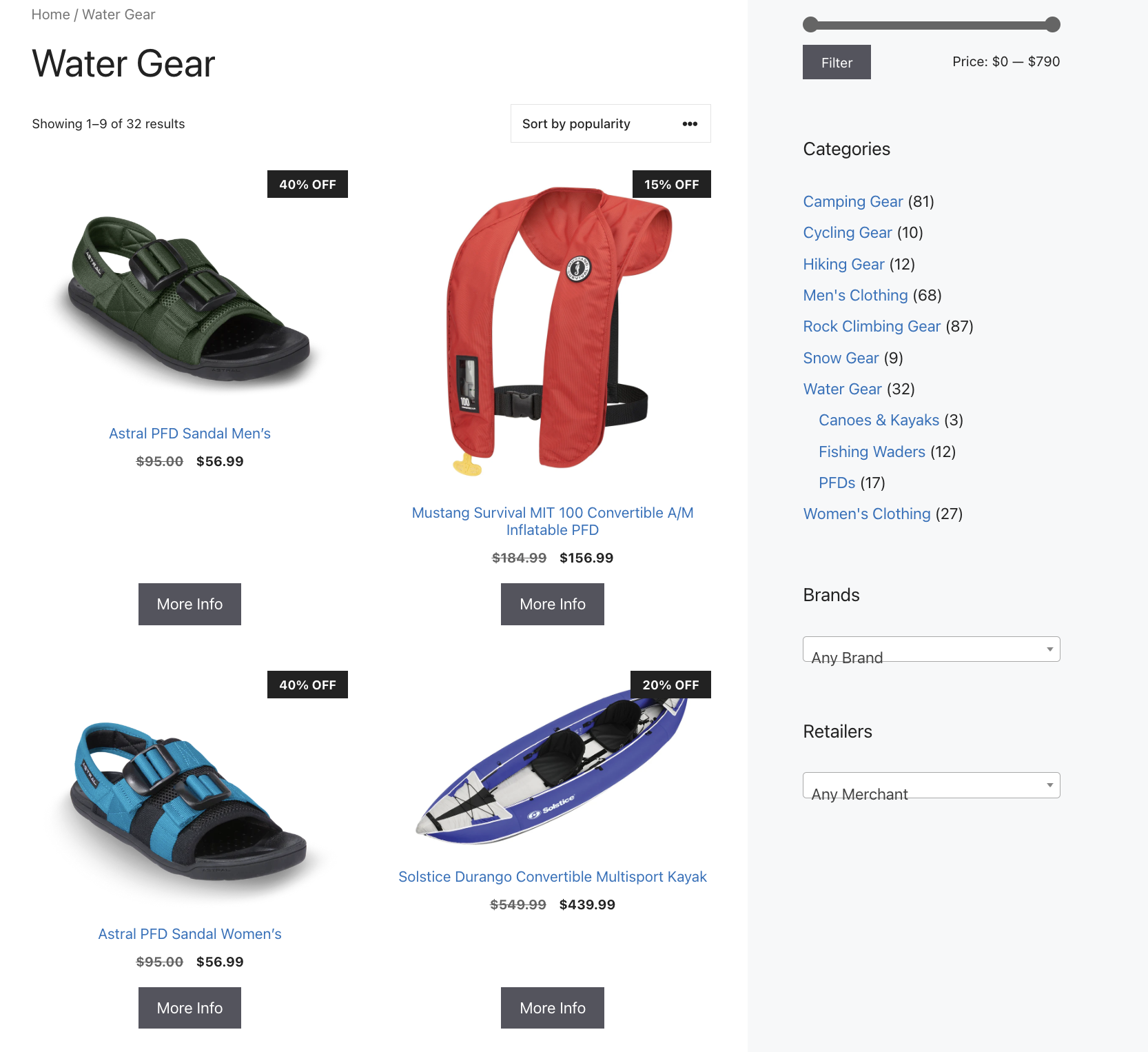
A visitor might search for a specific product, browse a category, or look for ideas around a particular need. Product data determines which products appear, how they’re grouped, and what information helps shoppers decide where to click first.
The easier it is to surface relevant products, the smoother that journey becomes.
Better Data Creates Better Navigation
Imagine browsing a category with no logical organization.
Products are difficult to filter, categories overlap, and similar items are scattered throughout the page. Even a strong product selection can become frustrating if shoppers can’t easily find what they’re looking for.
Well-structured product data makes navigation feel effortless. Products naturally fall into the right categories, filters behave as expected, and visitors can narrow their options without feeling lost.
The result is a shopping experience that feels organized instead of overwhelming.
Every Product Tells Part of the Story
Individual products are important, but shoppers rarely evaluate them in isolation.
People compare options, explore alternatives, and look for products that fit their budget, preferences, or intended use. Product data provides the context that helps those relationships become visible.
Instead of seeing disconnected products, shoppers begin to understand the broader category and where each option fits within it.
Product Data Helps Visitors Build Confidence
Buying decisions become easier when information is clear and consistent.
Complete product titles, accurate categories, reliable attributes, and consistent descriptions all help reduce uncertainty during the shopping process.
When products are easy to understand and compare, visitors spend less time questioning the information and more time evaluating which option best fits their needs.
Confidence often comes from clarity.
Small Details Create a Better Experience
Not every improvement needs to be dramatic.
Sometimes a cleaner category structure, more complete product attributes, or better organized product information can noticeably improve how a page feels to browse.
These incremental improvements add up over time.
As product data becomes more complete and consistent, the shopping experience becomes easier to navigate without requiring major design changes.
Good Product Data Creates New Possibilities
Well-structured product data does more than improve today’s shopping experience.
It creates opportunities to build new Product Sets, introduce better filtering, create comparison pages, expand into new categories, and develop richer product content in the future.
In other words, strong data makes it easier to keep improving the experience over time.
Rather than limiting what you can build, it expands what’s possible.
A Better Shopping Experience Starts With Better Data
Visitors may never think about the product data powering a page, but they experience its impact every time they browse.
From discovery and navigation to comparison and decision making, product data influences nearly every step of the journey.
The stronger that foundation becomes, the easier it is to create shopping experiences that feel intuitive, informative, and genuinely helpful.
For more information, check out https://datafeedrapi.helpscoutdocs.com/.