
Many product collections start with a single category.
A page about coffee makers includes coffee makers. A page about hiking backpacks includes hiking backpacks. A page about home office desks includes desks.
While this approach is straightforward, it often overlooks how people actually shop.
Most purchases do not happen in isolation. Shoppers frequently look for products that work together, solve related problems, or help complete a larger goal. Building coverage around complementary products can create richer product experiences while opening new opportunities for discovery.
Think Beyond the Primary Purchase
When someone buys a product, there is often a second layer of products connected to that decision.
A shopper researching a camera may also need:
- Memory cards
- Camera bags
- Tripods
- Lenses
- Cleaning kits
Someone buying a grill may also be interested in:
- Grill covers
- Cooking tools
- Thermometers
- Outdoor furniture
- Fuel and accessories
Looking at these relationships can reveal natural opportunities to expand coverage without moving away from the original topic.
Build Around Activities Instead of Categories
One way to uncover complementary products is to focus on what people are trying to accomplish rather than the products themselves.
For example, a “workout” page could include:
- Adjustable dumbbells
- Exercise headbands
- Resistance bands
- Recovery tools
- Storage solutions
- Accessories
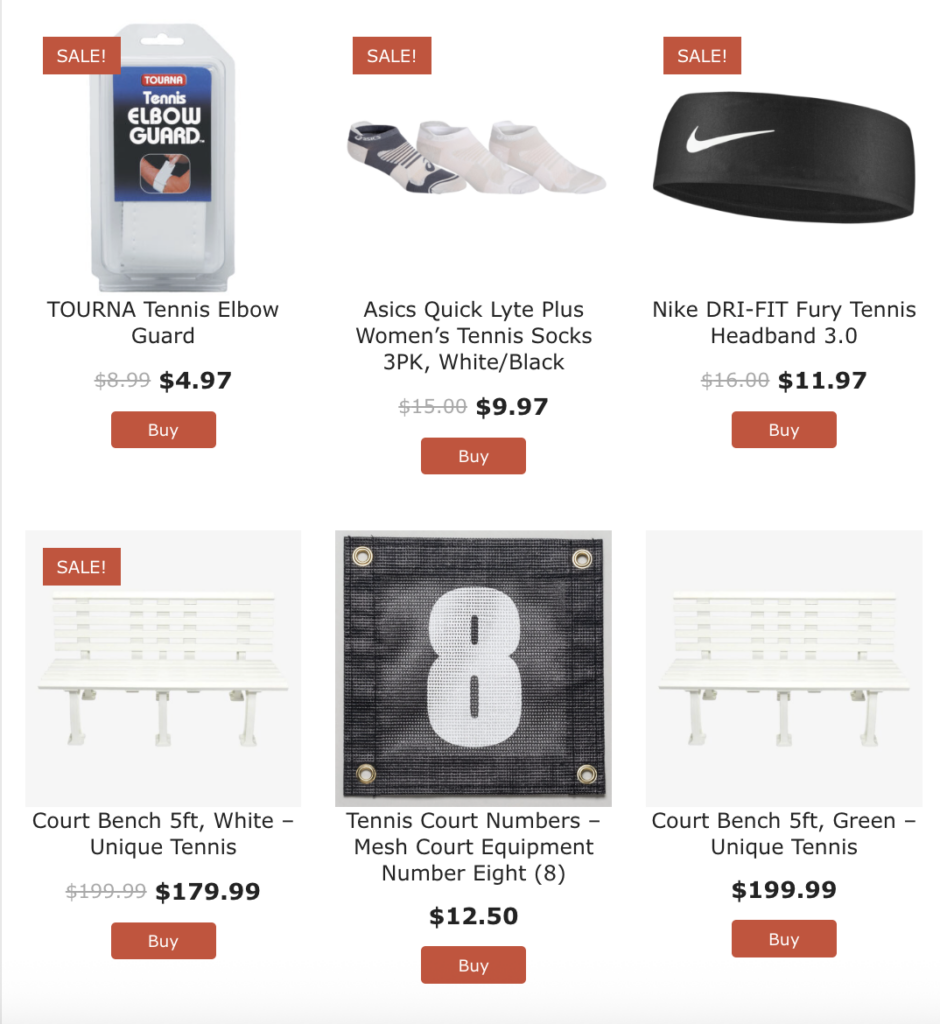
Individually, these products belong to different categories. Together, they support the same activity.
This approach often creates more useful collections because it mirrors how shoppers think about their needs.
Create More Opportunities for Discovery
Complementary products naturally introduce variety.
Instead of presenting dozens of highly similar products, visitors are exposed to related products they may not have originally considered.
This can make pages feel more dynamic and create additional paths for exploration.
A shopper may arrive looking for one product and leave with several new ideas that support the same goal.
Use Product Data to Find Connections
Many complementary relationships already exist within product data.
Categories, brands, product attributes, and common purchasing patterns can all help identify products that belong together.
For example:
- Camping gear naturally connects to outdoor cooking equipment
- Pet food connects to feeding accessories and storage solutions
- Home organization products connect to shelving, bins, and labels
These connections are often hiding in plain sight within existing product catalogs.
Balance Relevance With Variety
Complementary products should feel connected, not random.
The strongest collections maintain a clear theme while expanding the scope of what visitors can discover.
If the relationship between products requires too much explanation, the connection may be too weak.
A good test is whether a shopper looking at one product would reasonably benefit from seeing the others.
When the answer is yes, the collection tends to feel natural.
Let Coverage Grow Organically
Complementary products can also create a roadmap for future content.
A category that begins with one Product Set may eventually branch into multiple supporting collections, comparisons, or buying guides centered around related products.
This creates opportunities to expand coverage while maintaining a logical structure that visitors can easily follow.
Instead of continuously adding more products to a single category, coverage grows through meaningful connections between categories.
Look for Complete Solutions
Some of the most useful product collections are built around outcomes rather than individual products.
Visitors are often trying to solve a problem, complete a project, start a hobby, or improve part of their daily routine.
Complementary products help support those larger goals.
By focusing on how products work together, it becomes possible to create collections that feel more helpful, more complete, and more aligned with the way people actually shop.
To learn more, check out written documentation https://datafeedrapi.helpscoutdocs.com/