
Comparison Sets work best when they appear at the right moment.
Placed well, they help visitors feel confident about choosing.
Timing and Context Matter
Comparison Sets tend to perform better after visitors have some context. When a page first explains the category, use case, or problem, the Comparison Set that follows feels helpful instead of demanding. Without that grounding, side by side comparisons can feel like work rather than guidance.
Pages with a clear recommendation angle are a natural fit. Review pages, “best of” content, and buying guides that narrow options are places where visitors already expect comparison. In these cases, the Comparison Set supports the message of the page rather than competing with it.
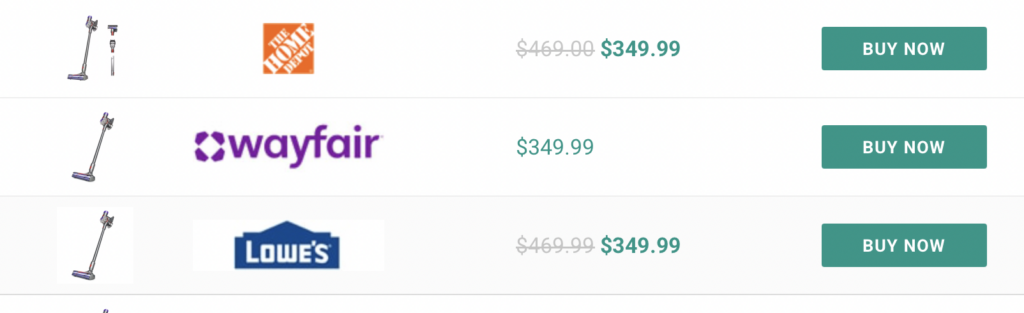
Placement on the page also plays a role. Comparison Sets often perform better lower on the page, after an introduction or overview. This gives visitors time to orient themselves before being asked to evaluate details. When a comparison appears at the very top, it can feel abrupt. When it comes after context, it feels earned.
Fit Over Frequency
Comparison Sets also work best when the product list is intentionally small. Shorter lists are easier to scan, make differences clearer, and reduce hesitation.
They tend to perform better on pages with a single, clear goal. When a page tries to educate, browse, and compare all at once, the comparison can lose its impact. When the goal is focused, the Comparison Set becomes the natural center of attention.
Performance usually improves when Comparison Sets are placed where they make sense, not everywhere they can fit.
The strongest placements feel supportive, not intrusive, and show up exactly when visitors are ready to compare and decide.
To learn more about comparison sets, view written documentation here.