
As a site grows, product pages begin to serve different purposes. Some help visitors browse and learn, while others help them narrow options and choose.
Product Sets and Comparison Sets both play a role. The difference isn’t about features. It’s about intent.
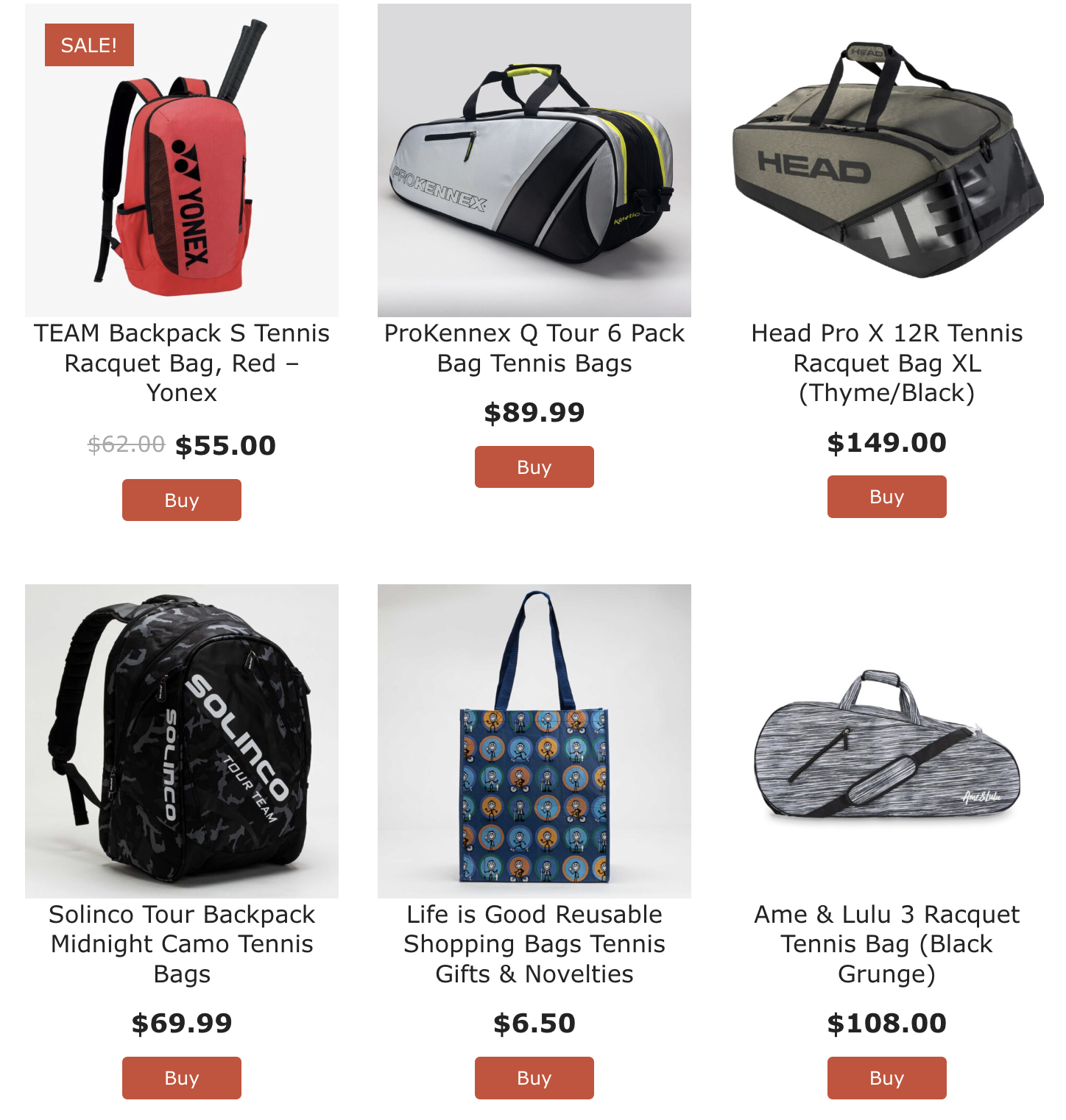
Product Sets are a natural fit for exploration. They help visitors browse, scan options, and get familiar with what’s available. Pages that introduce a category or provide broad context tend to benefit from this approach.
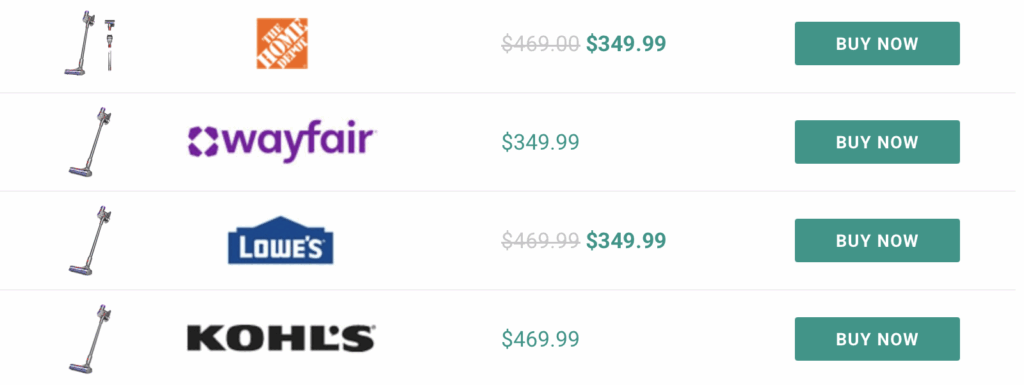
Comparison Sets, on the other hand, support decision-making. They slow the experience down and help visitors evaluate a specific product across merchants. These work best when the page is focused on recommendations or narrowing choices.
Where Product Sets Work Best
Product Sets tend to work well on pages that are meant to feel open and flexible. They allow products to rotate naturally and adapt as data changes.
They fit naturally on category pages, buying guides, and broader articles where variety is more helpful than precision. The experience feels less rigid and gives visitors room to explore.
Where Comparison Sets Add Value
Comparison Sets are most effective on pages with a clear focus. They are designed for moments when visitors are weighing options and want to see differences clearly.
They work especially well in reviews, “best of” content, and pages where the goal is to help someone choose. Because they are more structured, they bring clarity and confidence to the decision process.
Let Content Set the Direction
The content on a page provides a strong signal for which format fits best. Educational and introductory content pairs naturally with Product Sets. Opinionated or recommendation-driven content pairs better with Comparison Sets.
When products support the message of the content, the page feels more cohesive and easier to navigate.
Both Product Sets and Comparison Sets work best when they are used with intention. Clear pages lead to confident visitors, and confident visitors tend to engage more.
Keeping the experience simple and aligned with the page’s purpose usually leads to better results over time.
For more information, visit https://datafeedrapi.helpscoutdocs.com/.