
As your site grows, Product Sets naturally multiply. New categories, new pages, new use cases. It’s easy to build each one from scratch and move on.
Over time, though, that approach can create unnecessary complexity. Small differences in logic start to stack up. Similar pages behave slightly differently. Maintenance becomes harder than it needs to be.
Reusing product logic is one of the simplest ways to keep things consistent and manageable.
Start With a Strong Foundation
Many Product Sets share common patterns. They might filter by similar categories, price expectations, availability standards, or general quality signals.
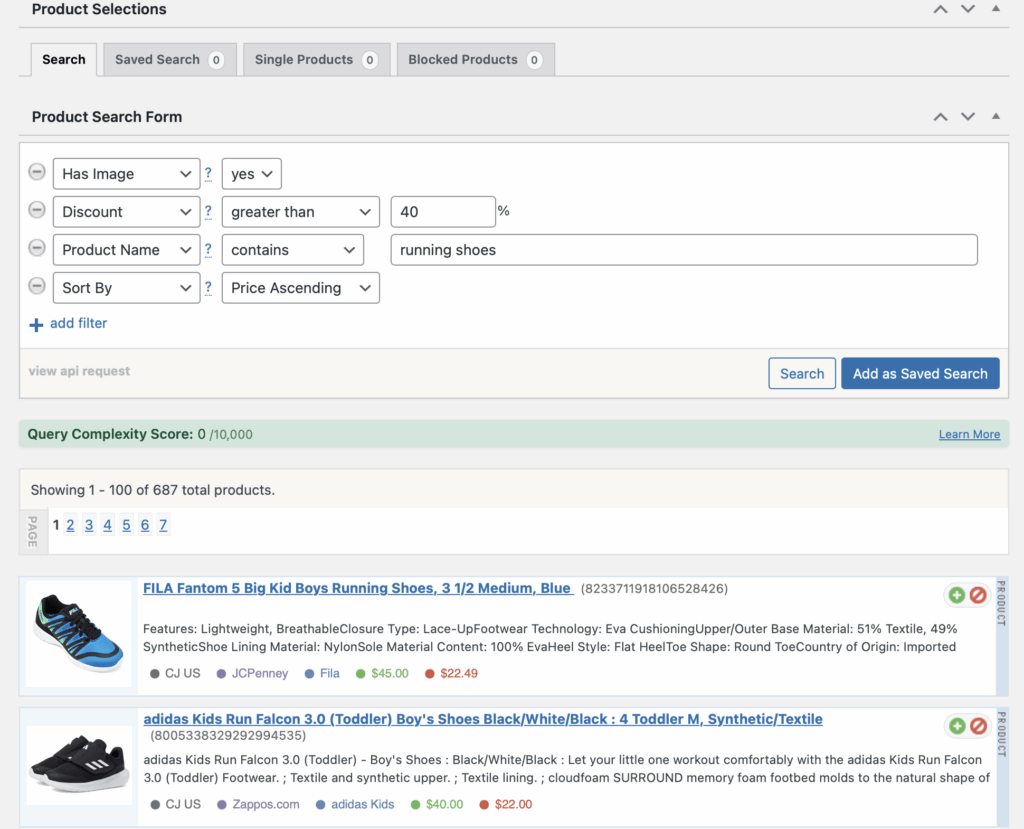
When you identify logic that works well, it can serve as a foundation instead of a one-time setup. Rather than rebuilding the same structure repeatedly, you can duplicate and refine it for new use cases.
This keeps related Product Sets aligned. It also reduces the risk of subtle inconsistencies that only show up months later.
Reusing logic doesn’t mean copying blindly. It means recognizing when the structure is already doing what you need.
Keep Similar Pages Consistent
Consistency across Product Sets improves both maintenance and user experience.
If two pages serve a similar purpose, their underlying logic should feel similar as well. Visitors may not see the filters directly, but they notice when product lists behave differently without explanation.
Reusing logic creates predictable behavior. It makes it easier to expand into new categories without reinventing your structure each time.
It also simplifies updates. When foundational logic is shared, improvements can be applied thoughtfully instead of reworked everywhere.
Product logic is part of your site’s infrastructure. Treating it as reusable building blocks rather than isolated setups keeps your system cleaner, more scalable, and easier to manage over time.
For more information, view written documentation here.