
Comparison Sets are designed to help visitors decide. They work best when they feel steady, clear, and easy to trust.
At the same time, product data is always changing. New products appear, others go out of stock, and merchant details get updated. Rotation is normal. The goal is not to stop it, but to manage it in a way that protects the experience of the page.
Keep the Structure Consistent
One of the simplest ways to maintain stability is to decide what should stay consistent. Not every product in a Comparison Set needs to rotate. In many cases, a few anchor merchants provide continuity. These are the options that consistently perform well with visitors.
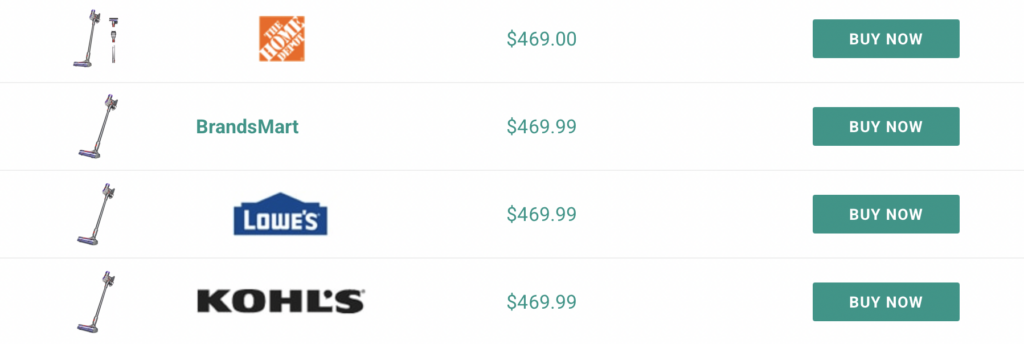
Allowing some movement while keeping core merchants steady helps the page feel reliable. Visitors can return and still recognize what they saw before, even if a new option appears occasionally. Stability builds confidence.
It also helps to review Comparison Sets on a set cadence rather than reacting to every small data shift. When updates are intentional, you can decide whether a change strengthens the comparison or simply replaces one similar option with another. This keeps the set evolving without feeling unpredictable.
Let Purpose Guide Rotation
Comparison Sets perform best when they support a clear goal. On review pages or shortlist-style content, visitors expect a thoughtful selection. Too much movement can dilute that clarity.
When rotation is guided by the purpose of the page, changes feel deliberate rather than automatic. The strongest Comparison Sets adapt gradually. They reflect current pricing and availabilty while maintaining their shape and intent.
When structure stays consistent and updates are intentional, Comparison Sets remain dependable, easy to use, and effective at helping visitors choose with confidence.
To learn more about comparison sets, check out written documentation here.