
If you’ve ever built a Product Set and thought, “This product almost fits,” you’ve run into an edge case.
Edge-case products are the ones that technically meet your filters, but still feel slightly off. The price is close but not quite right. The brand fits, but the product type feels different. The attributes match, but the intent does not.
These products can be common, especially as your Product Sets grow. The real challenge is deciding whether they belong in the Product Set.
What Edge-Case Products Actually Are
Edge cases usually appear when your filters are doing their job, but reality is messier than the rules you set.
Common examples include:
- Products that match all filters but target a different buyer
- Items that are priced correctly but don’t align with the page intent
- Variants or bundles that technically qualify but don’t fit
- Products that belong in a broader category, but not this specific list
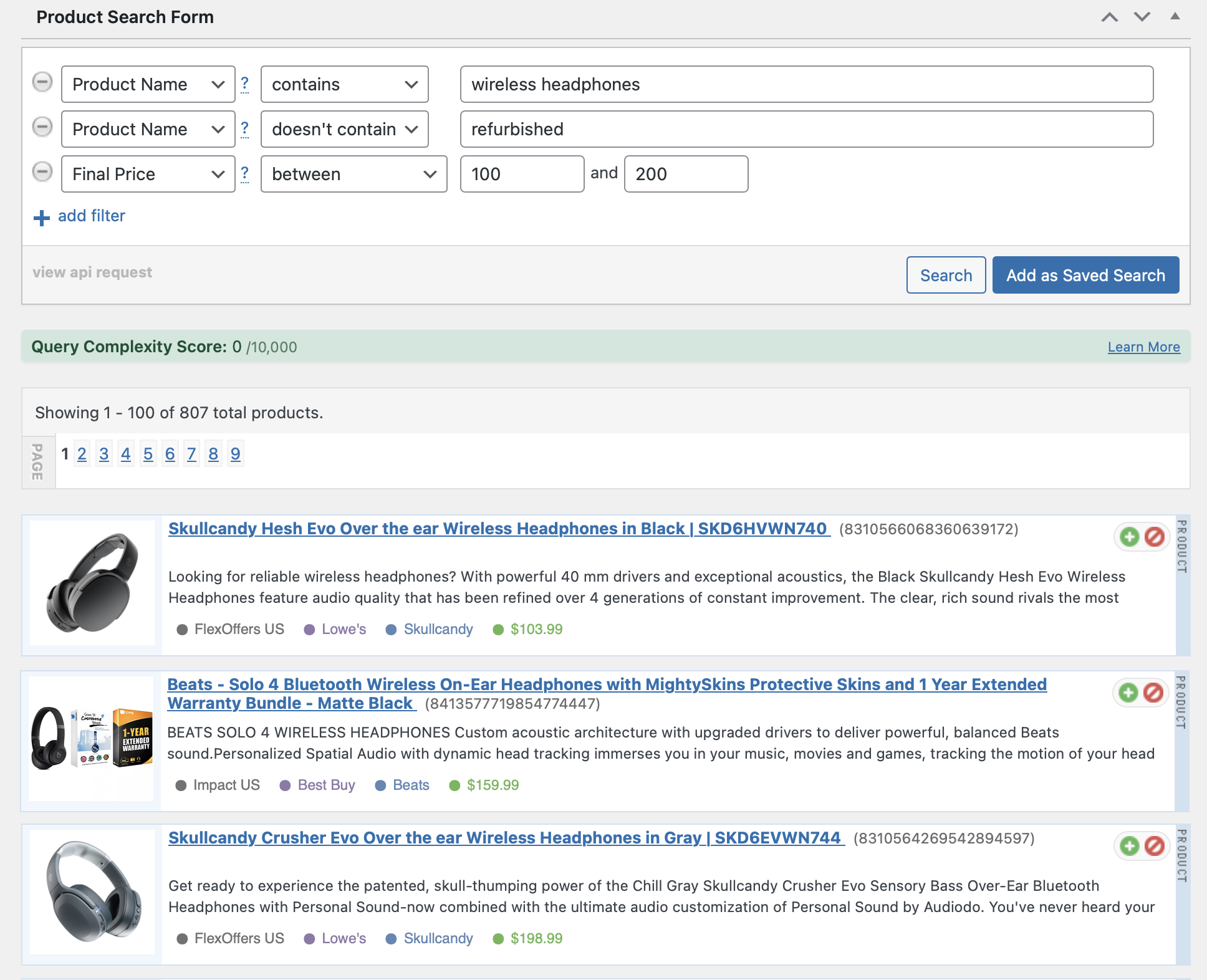
None of these are “wrong” products. They are just slightly misaligned.
Why Edge Cases Matter
One or two edge-case products will not break a Product Set. But over time, they add up.
They make lists harder to scan.
They introduce doubt for visitors.
They weaken the clarity of what the page is about.
Most importantly, edge cases usually signal that your Product Set is drifting away from a single, clear purpose.
The First Question to Ask
Before touching your filters, ask this:
Does this product help the visitor make a decision on this page?
If the answer is no or even “maybe,” that product probably does not belong.
This question works better than asking whether the product technically fits your rules. Product Sets exist to serve users, not filters.
When It Makes Sense to Keep an Edge Case
Sometimes keeping an edge-case product is the right call.
You may want to keep it if:
- It offers a meaningful alternative within the same buying decision
- It helps show price range or feature tradeoffs
- It is commonly compared alongside the other products
- It adds context without adding confusion
In these cases, the product still supports the intent of the list, even if it stretches the boundaries slightly.
When Excluding Is the Better Choice
Exclusion is usually the right move when:
- The product changes how the Product Set is interpreted
- It targets a different audience or use case
- It forces visitors to stop and rethink what they are comparing
- It only fits because the filters are broad
If you find yourself explaining why a product belongs, that is often your answer.
Fixing the Root Cause
Repeated edge cases are usually a sign that something upstream needs adjustment.
Instead of manually excluding products one by one, consider:
- Tightening one key filter instead of several small ones
- Adding an attribute that better reflects buyer intent
- Splitting one Product Set into two more focused sets
- Rewriting the page intent to match what the data naturally returns
Small changes here often eliminate entire categories of edge cases at once.
Edge-case decisions get easier as you build more Product Sets. Over time, you develop a feel for what strengthens a list and what quietly weakens it.