
Two products can look nearly identical at first glance.
They might fall into the same category, share many of the same features, sit within a similar price range, and even serve the same basic purpose.
Yet one small difference can completely change which product a shopper chooses.
That’s what makes similar products interesting. The closer the options become, the more important the details can feel.
Similarity Changes What Shoppers Pay Attention To
When products are noticeably different, the comparison is often straightforward.
Once those obvious differences disappear, shoppers begin looking more closely.
A small difference in size might matter to someone working with limited space. A particular material could be important to another shopper. Warranty coverage, compatibility, color, availability, or even a relatively small price difference could become the deciding factor.
The products may be similar overall, but shoppers aren’t necessarily evaluating every detail equally.
They’re looking for the difference that matters to them.
The Deciding Factor Isn’t Always the Most Obvious One
It can be tempting to assume that shoppers will prioritize the biggest feature differences.
That isn’t always what happens.
Someone may choose a slightly more expensive option because it comes in the size they need. Another shopper may prefer a product with fewer features because it better fits how they plan to use it.
This is why complete product information matters.
Details that appear secondary in one comparison can become essential in another. The more useful information shoppers have available, the easier it is for them to recognize the differences that actually affect their decision.
Small Differences Can Represent Bigger Tradeoffs
A product difference rarely exists in isolation.
A lower price might come with fewer features. A smaller size might offer greater portability but less capacity. A premium material might increase the price while also changing durability or appearance.
These tradeoffs give shoppers something meaningful to consider.
Instead of simply identifying which products are different, useful product content can help make those differences easier to understand in context.
That turns a comparison from a checklist of attributes into a clearer picture of what someone gains or gives up with each option.
Different Shoppers Will Reach Different Conclusions
There may not be one product that clearly wins every comparison.
And that’s a good thing.
The option that makes the most sense for a budget-conscious shopper may not be the one someone chooses for premium features. A beginner may value simplicity, while a more experienced shopper looks for greater control or customization.
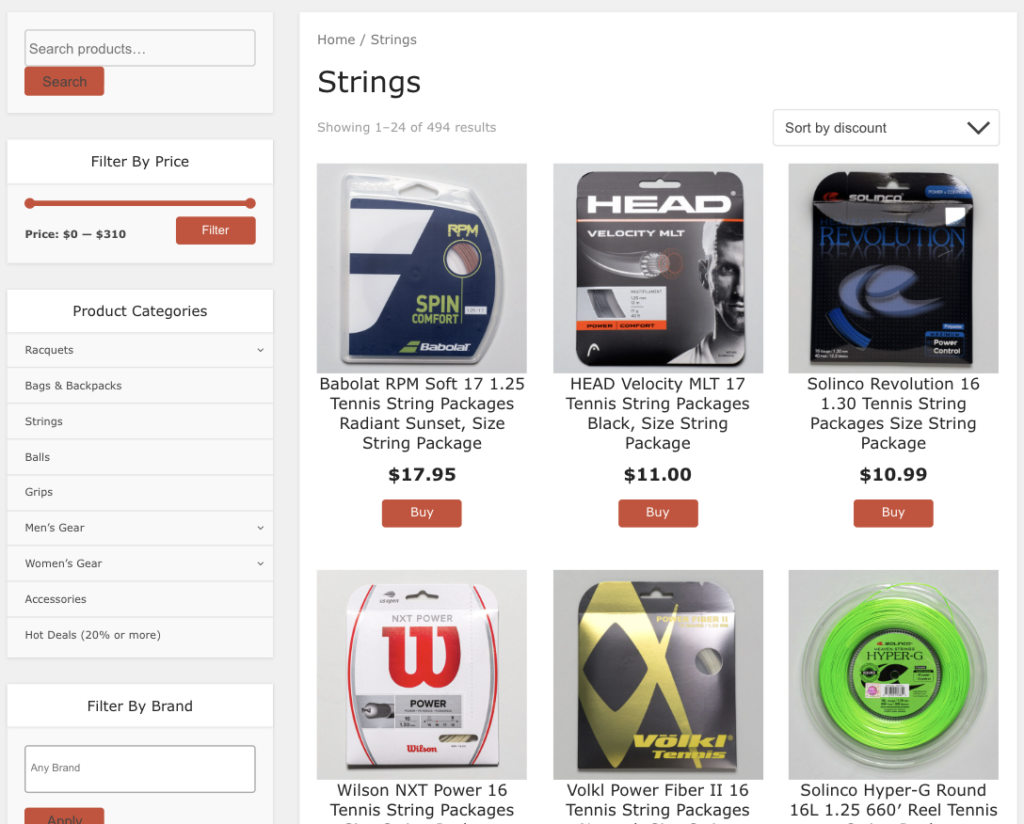
Similar products can support very different decisions because the shoppers evaluating them bring different priorities to the page.
A useful selection gives those priorities room to matter.
Similar Products Can Make a Collection More Useful
Including similar products doesn’t have to mean creating unnecessary repetition.
When the differences between those products are meaningful, they can give shoppers more precise choices.
The key is making sure there is a reason to consider each option.
If two products serve exactly the same purpose with little meaningful distinction, showing both may add very little. But if each one offers something that could matter to a particular shopper, their similarity can actually make the comparison more valuable.
Help the Differences Do the Work
Shoppers don’t always need dramatically different products to make a confident decision.
Sometimes they need a few closely matched options and enough information to understand what separates them.
Those differences might seem small when looking at the catalog as a whole, but to the person making the purchase, one of them could be the reason they choose one product over another.
When product content makes those distinctions clear, similar options become an opportunity to help shoppers find the fit that makes the most sense for them.
To learn more, check out documentation here.