
A good product discovery experience should feel easy to move through.
Visitors should be able to quickly narrow products, spot relevant options, and continue exploring without feeling overloaded by too many choices at once. As Product Sets grow, filters become one of the most effective ways to keep that experience organized.
Done well, filters help transform large product collections into something that feels more personalized, intuitive, and easier to browse.
Filters Help Visitors Find Direction Faster
Most shoppers do not arrive on a page ready to scroll through hundreds of products from start to finish.
They usually have at least some idea of what they want:
- A certain price range
- A preferred brand
- A specific style
- A product feature they care about
- Products currently in stock
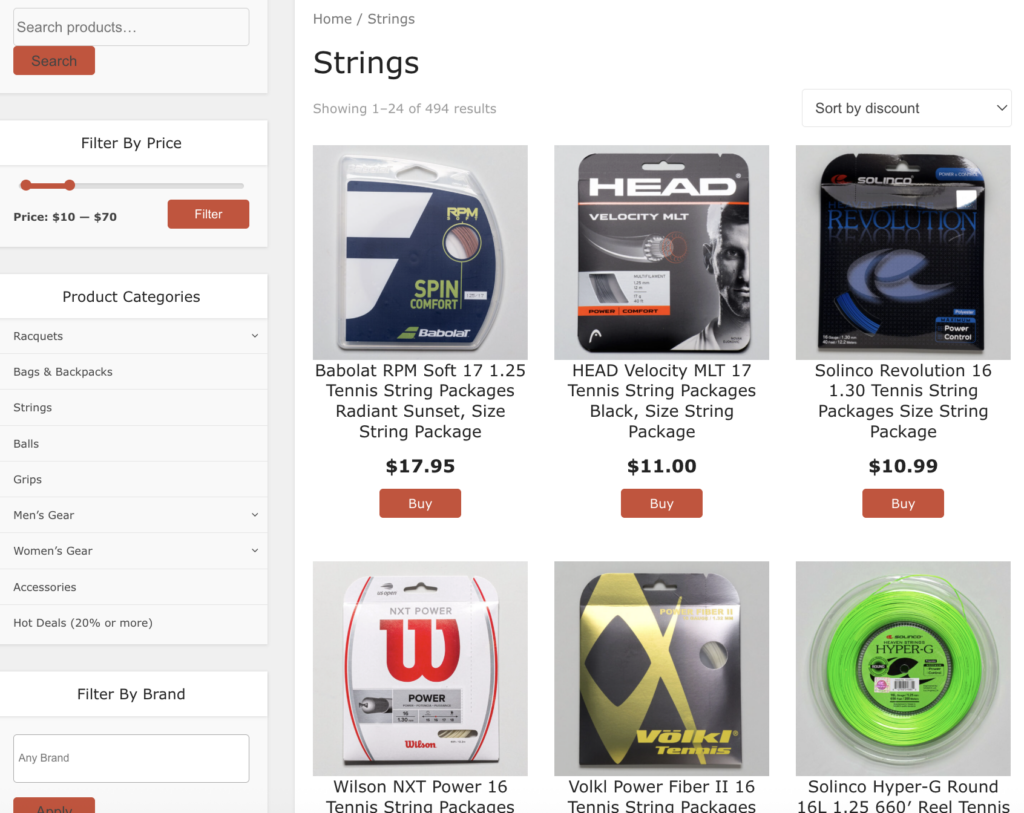
Filters help visitors immediately move toward products that match those preferences.
Instead of making shoppers do all the work themselves, filtering creates a faster path toward relevant products.
The Best Filters Feel Invisible
Strong filtering experiences rarely call attention to themselves.
Visitors should not need to “learn” how to use the page. The filtering process should feel natural and obvious from the moment they start browsing.
That usually means prioritizing only the filters that genuinely help shoppers make decisions.
For example, a fashion page may benefit from size, color, and material filters. A tech category may rely more heavily on specs, compatibility, or price. Different Product Sets support different browsing behaviors.
The goal is not to expose every available data point. It is to surface the filters that make browsing easier.
Filters Work Best Alongside Focused Product Sets
Filters are most effective when the underlying Product Set already has a clear purpose.
If a page contains products that are too broad or loosely connected, filtering often becomes confusing. Visitors may apply filters and still end up with inconsistent results because the original collection lacks focus.
Cleaner Product Sets lead to cleaner filtering experiences.
A tightly structured collection combined with thoughtful filters creates a page that feels easier to understand from the start.
Filtering Can Improve Product Discovery Without Shrinking Variety
One of the biggest advantages of filters is that they allow pages to maintain strong product variety without overwhelming visitors.
Instead of reducing coverage, filters organize it.
A large Product Set can still support multiple shopping styles, budgets, or preferences while allowing visitors to narrow the experience based on what matters most to them.
This creates a balance between breadth and usability.
Avoid Adding Filters Just Because They Exist
Not every product attribute needs to become a filter.
Adding too many filtering options can clutter the page and make browsing feel overly technical. In some cases, visitors may spend more time adjusting filters than actually exploring products.
A smaller set of useful filters is often more effective than a long list of highly specific options.
Good filtering should reduce friction, not create more of it.
Filters Also Reveal Data Gaps
Building filtering systems often highlights areas where product data needs improvement.
Missing attributes, inconsistent naming, incomplete categories, or uneven merchant data become easier to spot once filters are applied across a large Product Set.
Over time, improving filter quality usually improves the overall structure and consistency of the product experience itself.
Filters play an important role in helping large Product Sets feel easier to browse. They guide visitors toward more relevant products, reduce unnecessary noise, and create a smoother discovery experience without limiting product variety.
The best filtering experiences do not feel complicated. They simply help shoppers get closer to the products they are already looking for.
For more information, check out documentation here.