
Product Sets begin focused, useful, and easy to understand. Over time, though, it is common for a single Product Set to take on more responsibility than it should.
That is usually the moment when splitting it into two becomes the better option.
How Product Sets Slowly Grow Out of Shape
Product Sets often expand for good reasons. You add new merchants, broaden coverage, or adjust filters to catch more products.
The problem shows up when one Product Set starts trying to serve multiple purposes at once. It still works technically, but the results feel less clear.
Signs a Product Set Is Doing Too Much
A Product Set is often ready to be split when:
- The products fall into clearly different groups
- Visitors are likely comparing only part of the list
- The page feels unfocused even though the filters are correct
- You find yourself mentally sorting products into categories
Different Intent Usually Means Different Sets
One of the most common reasons to split a Product Set is mixed intent.
For example, a single list may include both entry-level and premium products, or products meant for different use cases. Even if they belong to the same category, they often answer different needs.
Splitting the Product Set allows each list to feel more purposeful and easier to understand.
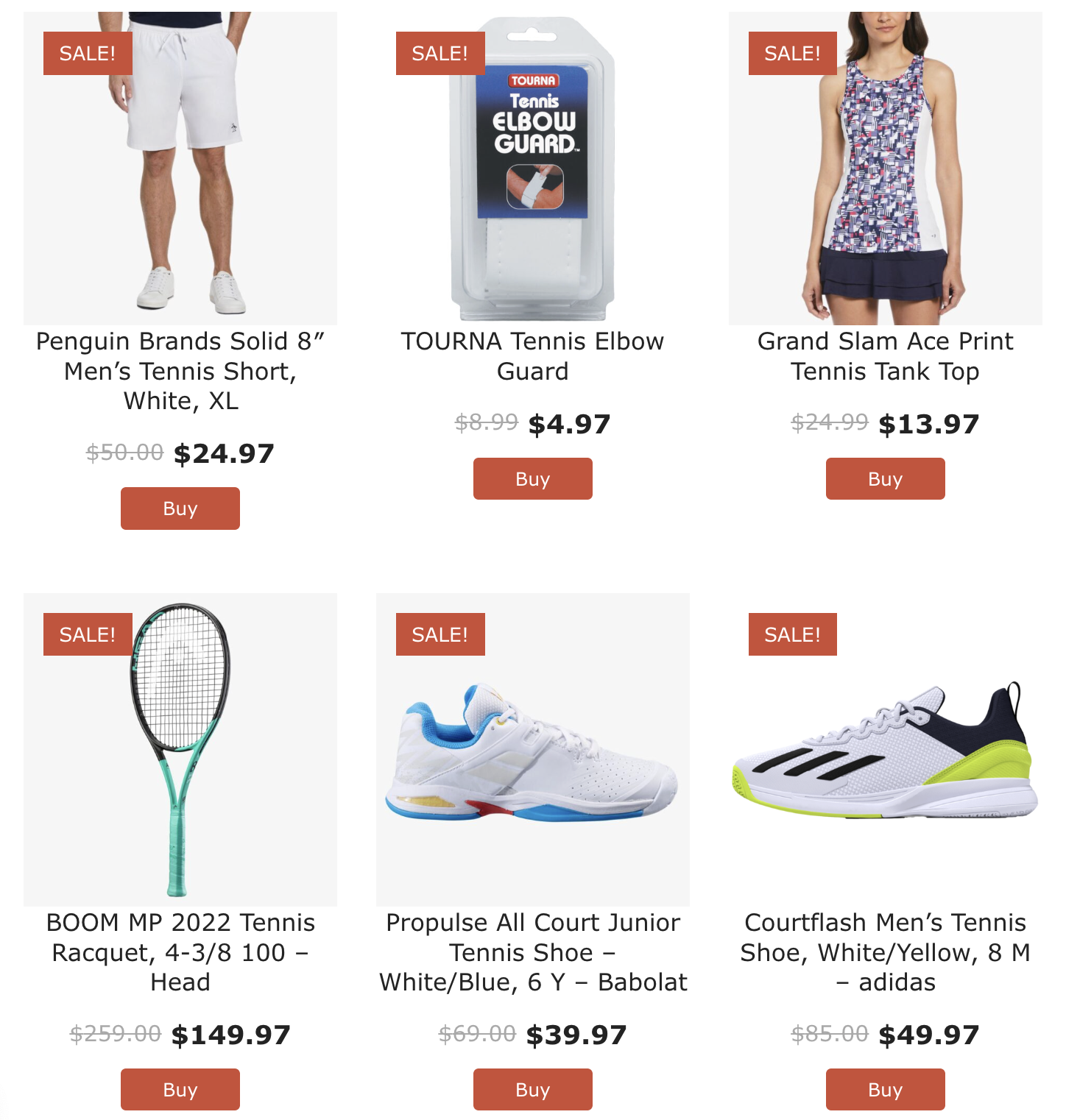
When Splitting Improves the Page Experience
From a visitor’s perspective, smaller and more focused lists are often easier to navigate.
Splitting a Product Set can:
- Make comparisons clearer
- Reduce cognitive load
- Help visitors find what they care about faster
- Make the page feel more intentional
How to Split Without Starting Over
Splitting a Product Set does not mean rebuilding everything from scratch.
In many cases, you can duplicate the existing Product Set and adjust each version slightly. One might focus on a narrower product type, a specific price range, or a clearer use case.
Starting from something that already works keeps the process simple and avoids unnecessary changes.
When Not to Split
Not every large Product Set needs to be split.
If the products still serve a single purpose and the page feels clear, keeping one set is often better. Splitting too early can create extra maintenance without improving the experience.
The goal is clarity, not smaller lists for their own sake.
A helpful way to decide is to look at the page, not just the Product Set. If the page feels like it is trying to explain two different things at once, splitting the Product Set usually helps. If the page still tells a single, clear story, keeping one set often makes sense.
To learn more, visit https://datafeedrapi.helpscoutdocs.com/.