
Most discussions about product content focus on what information is available.
Product names, descriptions, pricing, images, categories, brands, and specifications all play an important role in helping shoppers evaluate products. But there is another factor that often receives less attention: consistency.
Consistent product information may not be as noticeable as adding new products or expanding product coverage, but it has a significant impact on how products are organized, discovered, and compared.
In many cases, the quality of a shopping experience depends just as much on consistency as it does on the information itself.
Consistency Makes Products Easier to Find
Product discovery relies on patterns.
When product information follows a consistent structure, it becomes easier to group related products, apply filters, create Product Sets, and surface relevant results.
Consider a category where some products use “running shoes,” others use “running sneaker,” and others use brand-specific terminology. The products may all belong together, but inconsistent information can make organization more difficult.
The more consistent the data, the easier it becomes to connect products to the right categories and experiences.
Comparisons Become More Meaningful
Comparison works best when products are described in similar ways.
If one product includes detailed specifications while another only contains a short description, visitors may struggle to evaluate them fairly.
Consistent product information creates a stronger foundation for comparisons because shoppers can focus on differences between products rather than differences in how information is presented.
This helps create a smoother path toward decision making.
Product Sets Become Easier to Manage
Well-structured product information simplifies the process of building and maintaining Product Sets.
When categories, brands, attributes, and other product details are organized consistently, it becomes easier to:
- Identify relevant products
- Create filtering rules
- Expand coverage
- Refine collections
- Maintain quality over time
Even small improvements in consistency can make large product collections easier to work with.
Consistency Supports Better Discovery Experiences
Visitors rarely notice consistent product information directly.
What they notice is that products feel easier to browse.
Filters behave as expected. Categories make sense. Similar products appear together. Product pages feel organized.
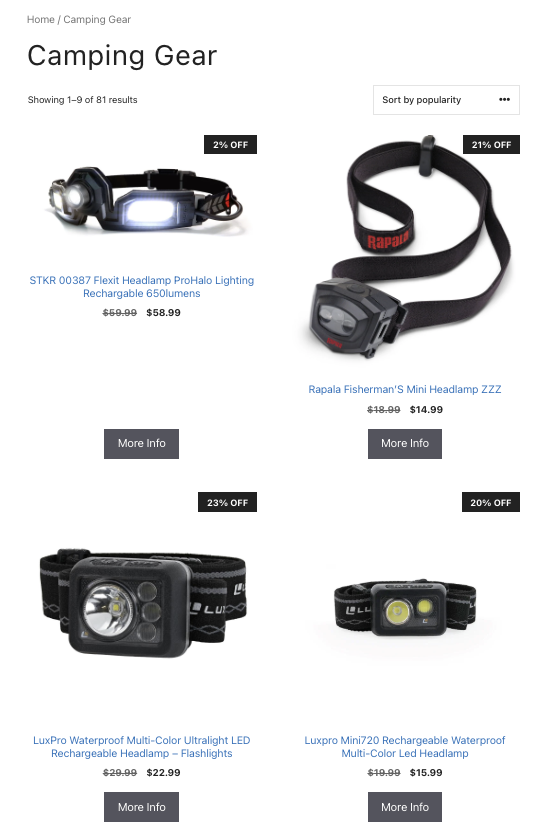
These experiences are often the result of consistent product information working behind the scenes.
When consistency improves, discovery tends to feel more natural.
Small Improvements Add Up
Consistency is rarely achieved through one large change.
Instead, it often comes from small improvements made over time.
Examples include:
- Standardizing categories
- Improving product titles
- Cleaning up brand names
- Filling in missing attributes
- Aligning similar product information
Each improvement may seem minor on its own, but together they can significantly improve how products are organized and presented.
Better Data Creates More Opportunities
Consistent product information creates flexibility.
It becomes easier to build new Product Sets, experiment with different types of content, create more useful filters, and expand product coverage into new areas.
In many ways, consistency increases the number of options available in the future.
The same product catalog becomes easier to organize, explore, and adapt as new opportunities emerge.
Consistency Creates a Better Foundation
Shoppers may never actively think about product data consistency, but they experience its benefits every time they browse a well-organized collection.
Products are easier to discover, comparisons feel more useful, and product experiences become easier to navigate.
While it often works quietly in the background, consistent product information provides the foundation that allows everything else to work more effectively.
For more information visit https://datafeedrapi.helpscoutdocs.com/.