
As your site grows, so does the number of merchants you can pull from. More options can strengthen your pages by expanding product coverage and giving visitors more choice. At the same time, without clear guidelines, that growth can make pages feel less consistent and harder to manage.
Creating simple merchant inclusion rules helps keep everything aligned. Instead of deciding from scratch each time, you have a clear framework that keeps product pages focused, predictable, and easier to maintain as your site expands.
Let Page Purpose Guide Inclusion
The role of the page should be the starting point for deciding which merchants belong.
On broader, category-style pages, a wider mix of merchants can support exploration and give visitors a better sense of what’s available.
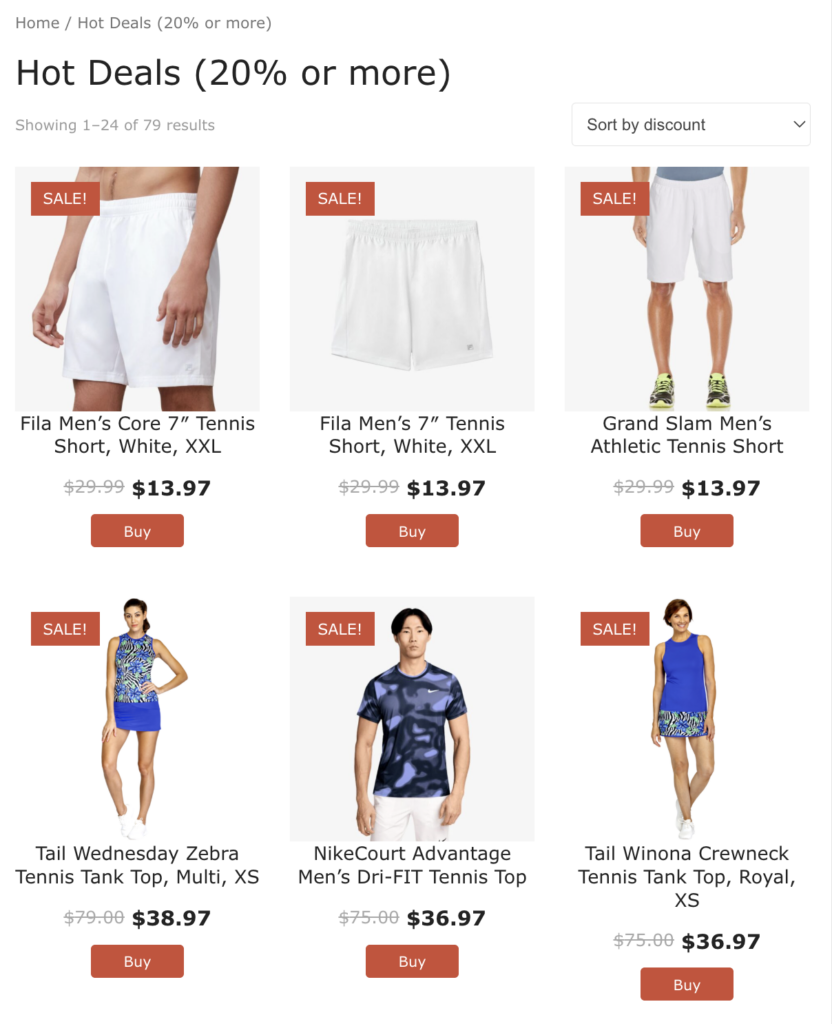
On more focused pages, like reviews or shortlists, a tighter group of merchants usually works better. This helps keep the comparison clear and makes it easier for visitors to evaluate their options.
When every merchant included supports what the page is trying to accomplish, the page feels more cohesive. The goal is not to include as many merchants as possible, but to include the right ones for that specific context.
Keep Rules Simple and Consistent
Merchant inclusion rules don’t need to be complex to be effective. In most cases, a few clear standards are enough.
You might decide to include merchants based on how well their products fit the category, the consistency of their pricing, or the overall quality of their listings. What matters most is applying those standards consistently across similar pages.
Consistency helps pages feel more structured and reduces the need to rethink decisions every time you create or update a Product Set. It also makes it easier to expand into new categories while maintaining a similar level of quality and clarity.
Focus on Fit Over Volume
It’s easy to keep adding merchants as more become available. Over time, though, that can lead to pages that feel crowded or uneven.
Clear inclusion rules shift the focus from how many merchants you include to how well they fit together. When the mix of merchants feels aligned in terms of product type, pricing, and overall positioning, the page becomes easier to scan and understand.
A smaller, well-matched group of merchants often creates a stronger experience than a larger, less consistent one. Visitors don’t need more options. They need options that make sense together.
Make Decisions Easier Over Time
One of the biggest advantages of having clear merchant inclusion rules is that they simplify future decisions.
When new merchants become available, you can quickly evaluate whether they belong based on your existing criteria. This reduces guesswork and helps keep Product Sets aligned without constant manual review.
It also makes collaboration easier. If multiple people are working on the site, shared guidelines ensure everyone is making decisions in the same way, which keeps pages consistent across categories.
Clear merchant inclusion rules don’t limit your pages. They give them direction. When merchants are selected with intention, product pages feel more cohesive, easier to use, and more reliable over time.
To learn more, visit here.