

How to Write About Products Without Repeating the Same Recommendations
By Casey
You’ve written a buying guide, published a few product roundups, and created content around different shopping needs.
Then you start planning your next article and realize something familiar.
The same products keep showing up.
There's nothing necessarily wrong with that. A great product can be relevant to several topics, and some recommendations deserve to appear more than once. But when every article features nearly identical products for nearly identical reasons, it becomes harder to give readers something new.
The challenge isn't always finding different products. It's finding something different and worthwhile to say.
Start With a Different Question
Two articles can cover the same category without answering the same question.
A general guide to coffee makers might help someone understand the available options. An article about coffee makers for small kitchens would focus on size, convenience, and counter space. A comparison of automatic and manual coffee makers would introduce an entirely different set of considerations.
Some of the same products might appear in all three.
What changes is the question each article is trying to answer.
Before choosing products, decide what readers should understand by the time they finish the piece. That gives the content a purpose beyond showcasing another selection.
A Product Can Be Relevant for Different Reasons
Repeating a product isn't necessarily the same as repeating a recommendation.
Consider a pair of wireless headphones.
In a travel article, battery life and portability might make them worth featuring. In a work-from-home guide, microphone quality and comfort could matter more. In a budget-focused roundup, their price relative to similar models might be the main consideration.
The product stays the same, but its relevance changes with the topic.
This is where thoughtful writing makes a difference. Instead of reusing the same description each time, focus on the details that matter to the reader of that particular article.
If the explanation doesn't change, it may be worth questioning whether the product really needs to appear again.
Look Beyond the Usual Best Sellers
Popular products are often easy to recommend.
They tend to have recognizable names, broad availability, and plenty of information to support a recommendation. But relying exclusively on familiar options can make content feel predictable.
Looking beyond best sellers can introduce products with different strengths.
Perhaps a lesser-known option offers a specific feature, fits an unusual use case, or provides an alternative at a different price point.
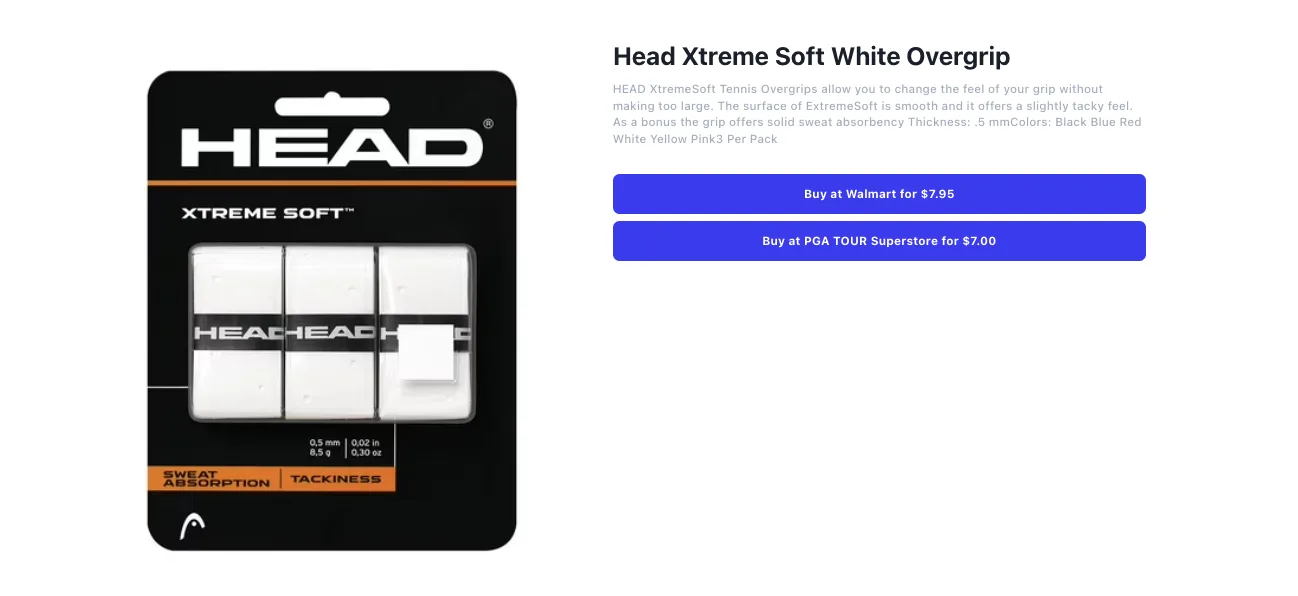
These products don't need to replace popular recommendations entirely. They can complement them by introducing something readers may not have considered.
The goal is to create a selection that reflects the topic rather than simply repeating the most recognizable products in the category.
Change What You're Comparing
Product recommendations often focus on the same familiar details: price, features, and overall value.
Those are important, but they aren't the only ways to evaluate a product.
Depending on the category, readers might care more about maintenance, compatibility, durability, ease of use, storage, or how well something fits into an existing routine.
Changing the criteria can reveal strengths and limitations that weren't relevant in previous articles.
For example, a product that doesn't stand out in a general comparison might become particularly appealing when ease of storage is the main priority.
A fresh perspective can make familiar products worth discussing again.
Know When a Recommendation Has Already Been Covered
Not every new article needs a completely new product selection, but it should offer a reason to exist.
Before publishing, compare the draft with related content you've already created.
Are the same products appearing in the same order? Are you highlighting identical features? Would someone who read the earlier article learn anything meaningfully different from this one?
If the answers suggest too much overlap, the topic may need a more specific angle.
Sometimes the better choice is to expand an existing article, update its recommendations, or link to it from a new piece rather than covering the same ground again.
This can help keep your content useful without creating unnecessary repetition.
Let Your Product Data Introduce New Possibilities
When you're working with a large product catalog, it's easy to return to products you already know.
But exploring different attributes, price ranges, merchants, and product types can reveal alternatives that fit your next article more closely.
A familiar category might contain products designed for specific environments, experience levels, or practical needs that haven't appeared in your content before.
Using product data to investigate those differences can help broaden your recommendations without forcing unrelated products into the article.
It also creates opportunities to discover products that support more specific editorial ideas.
Give Every Recommendation a Reason to Be There
One useful editing exercise is to look at each recommended product and ask a simple question:
Why this product, in this article?
If the answer is only that it's popular, highly rated, or appeared in a previous roundup, there may be an opportunity to make the recommendation more specific.
A strong recommendation should connect directly to the article's purpose.
It might represent a particular budget, solve a problem, offer a meaningful alternative, or demonstrate a feature readers should understand.
When every product has a clear role, the selection feels more intentional and the writing becomes easier to distinguish from other articles.
Fresh Content Doesn't Always Require Fresh Products
There's value in recommending a great product more than once, especially when it genuinely serves different shopper needs.
What matters is whether each article adds something new.
A different question, a more specific audience, or a fresh set of evaluation criteria can change how readers understand a familiar product.
The goal isn't to avoid repeating products altogether. It's to make sure you're never repeating a recommendation without giving readers a new reason to care.
For more information, view written documentation here (opens in a new tab).