

Plugins for WordPress and WooCommerce
Serious affiliate tools for WordPress publishers
Datafeedr makes it easy to select and display affiliate products from thousands of retailers and dozens of affiliate networks on your WordPress website or in your WooCommerce store.
- affiliate products
- 988M+
- merchants
- 13,000+
- affiliate networks
- 29
- of commissions are yours
- 100%
















“Having tested many, your tool is really the best on the market. Datafeedr made me go from 300€ / month to 2000€ / month while saving me a lot of time!”
Up and running before your coffee gets cold.
Manage all of your products right in the WordPress dashboard.
-
Step 1: Add plugins
Install our free plugins and connect your Datafeedr account.
-
Step 2: Add products
Find products from thousands of merchants and import in just a few clicks.
-
Step 3: Add profits
Keep 100% of your affiliate commissions. You earned it!
Free plugins with predictable subscription pricing.
The Powerhouse Plugins
We have two different WordPress plugins which enable you to display affiliate products right in your WooCommerce store or your blog posts.

WooCommerce Importer
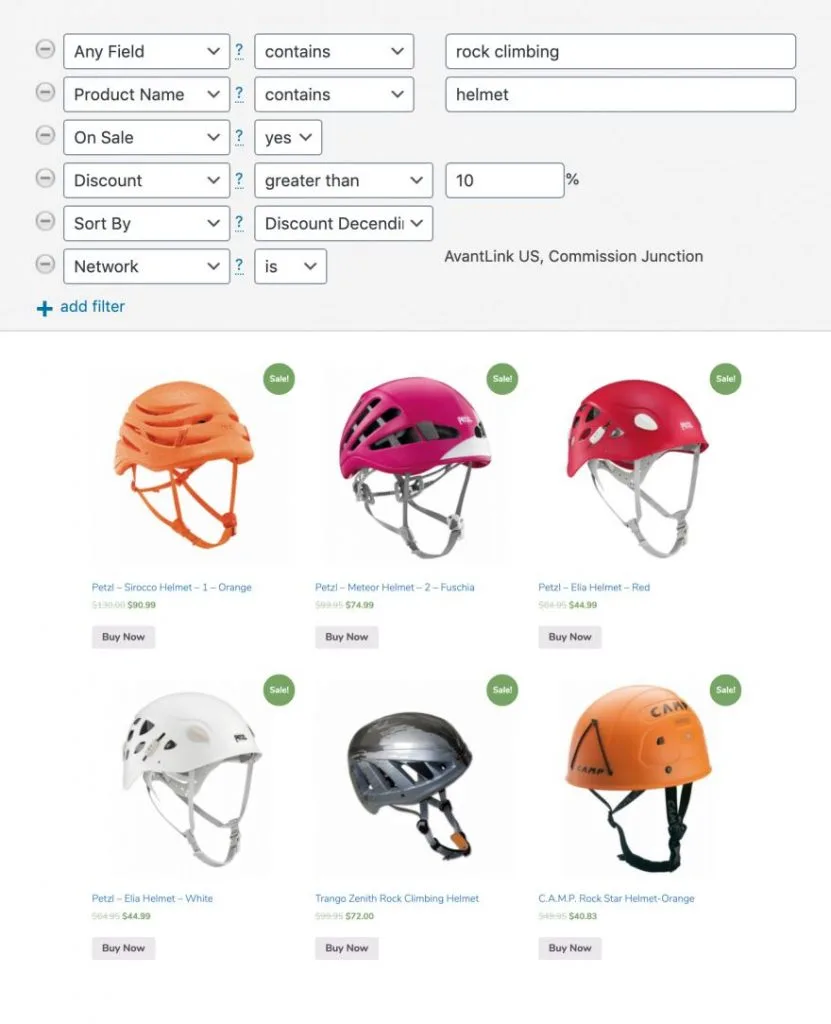
Import affiliate products into your WooCommerce store and automatically keep those products up-to-date.
- Powerful product search
- Search across multiple networks and retailers, filter by keywords, price, sale status and more to find the products your visitors want to buy.
- Automatically add new products
- New products that match your saved searches are automatically added to your store, keeping your inventory fresh.
- Automatic inventory updates
- Prices and links are automatically updated on a schedule of your choice. Products no longer available are automatically removed from your store.

Comparison Sets
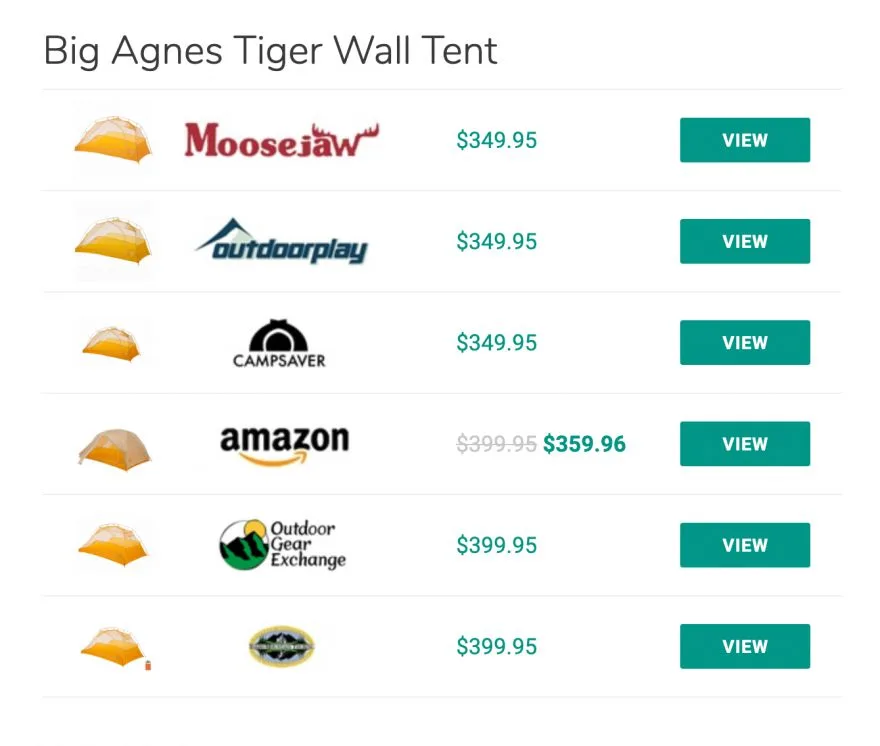
Drive more sales by displaying price comparison sets on your product pages or embedded in your blog posts.
- Integrated with WooCommerce
- Automatically display price comparison sets for products you import into WooCommerce with Datafeedr.
- Display anywhere with shortcodes
- Add price comparison set shortcodes to blog posts or product reviews to display price comparisons for products you are writing about.
- Amazon included
- Drive even more revenue by leveraging our seamless Amazon Creators API integration to display Amazon products in your price comparison sets.
All our plugins are free on WordPress.org:
 Product Sets
 Datafeedr API
 Cloak Affiliate Links for WooCommerce
Why people stick around for years
-
No programming required
We deal with the messy CSV and XML files. You focus on your marketing.
-
Built for WooCommerce
Works with any theme that supports the latest version of WooCommerce. Keep the design you already have.
-
30 search filters
Narrow by brand, price, sale status and more, so you only import products worth promoting.
-
Keep 100%
Some services take up to 25% of your earnings. We don’t take a cent.
-
No per-site fees
Run one store or fifty. Your plan covers them all.
-
Help from the founders
Stuck? We have extensive documentation. Need more? Email us. We’ll sort it out together.
Sell almost anything, almost anywhere
We work with dozens of affiliate networks around the world.
- Impact
- Awin
- bol.com
- CJ
- Rakuten
- Tradedoubler
- Adtraction
- TradeTracker
- Partnerize
- Daisycon
- Ascend
- Partner-ads
- Webgains
- Commission Factory
- Addrevenue
- AvantLink
- Effinity
- 2Performant
- ADCELL
- Admitad
- Profitshare
- Avelon
- The Affiliate Gateway
- Paid on Results
- LinkConnector
- Optimise
- PartnerBoost
- GoAffPro
- GiddyUp
Is your favorite merchant here? Probably.
Here are a few you might know. Search the full list by name or network.










Our customers say it better than we do
“Datafeedr allows me to automate the process of adding and updating the Chubstr affiliate shop. This saves me tons of time and allows me to work with a wider variety of relevant merchants. Definitely recommended!”
“The Datafeedr WooCommerce importer plugin is amazing. You set up product sets with your search criteria and then magic happens consistently… It’s a set-and-forget plugin.”
“Excellent plugin for someone like me who wants to build product driven websites but cannot code PHP.”
Pricing
Free plugins with predictable subscription pricing. Same plugins and features on all plans.
-
Starter
For your first store, with a few thousand products.
$49 /mo
Subscribe to the Starter plan- 10,000 searches/mo
- Unlimited websites
- Import into WooCommerce
- Price comparison sets
- Email support
-
Basic
For several stores, or if you want Comparison Sets.
$79 /mo
Subscribe to the Basic plan- 40,000 searches/mo
- Unlimited websites
- Import into WooCommerce
- Price comparison sets
- Email support
-
Pro
For a network of stores and lots of Comparison Sets.
$249 /mo
Subscribe to the Pro plan- 150,000 searches/mo
- Unlimited websites
- Import into WooCommerce
- Price comparison sets
- Email support
30-day money-back guarantee. Upgrade, downgrade or cancel any time.
“Datafeedr is a game changer when it comes to affiliate sales. And the customer support is phenomenal. Thank you, Eric and Stefan, for all you do.”
Questions we get a lot
Do I need approval from the networks or merchants?
Yes. You need to be approved by at least one merchant we support before you can show their products.
Are the plugins free?
Yes, they’re free on WordPress.org. Your subscription pays for access to the product data.
Will it work with my theme?
If your theme supports the latest version of WooCommerce, yes.
How many products can I import?
Most stores do best with up to about 10,000. That covers a focused niche and runs well on everyday shared hosting. Bigger catalogs need stronger hosting and more search requests, so many owners build a few niche sites instead. Read our guide (opens in a new tab).
Can I add my own products?
Yes. They’ll sit right alongside products imported by Datafeedr.
Can I use it on more than one site?
Yes, as many as you like. Search requests from all your sites count toward one monthly total.
Which plan should I start with?
Starter. Upgrade when you need more data.
How many searches do I need?
It depends on how many products you import and how often you update them. As a rough guide, 500 searches a month will support 50 categories with 100 products each, updated on a 3-day cycle. We recommend starting with the Starter plan and upgrading if necessary.
Is there a money-back guarantee?
Yes, for 30 days. Here’s how it works (opens in a new tab).
Rather have someone else build it? We know people.
These agencies have built Datafeedr stores before and can set up yours.
-

iExist - Online Marketing
Netherlands
-

Nordpar
Denmark
-

Lamper Design
-

LoopLabz
Sweden
Start generating more revenue today
Millions of products from thousands of merchants, ready to import into WordPress.